Gay Furry Yiff: Understanding the Subculture, Art, and Community
 James Bradley
The internet has given rise to countless subcultures, each with its own language, art forms, and social norms. Among the most misunderstood is the world of "gay furry yiff." For outsiders, the term can be confusing, even jarring. But within the furry fandom, it represents a specific, often deeply personal, intersection of identity, sexuality, and artistic expression. This article aims to demystify the topic, exploring its origins, its place within the broader furry community, and the nuances that define it. We will look at the art, the social dynamics, and the controversies, providing a clear-eyed, factual overview for anyone seeking to understand this niche but vibrant corner of online culture.
What Exactly Is Gay Furry Yiff?
At its core, "yiff" is a term used within the furry fandom to refer to sexualized content, typically artwork or stories, featuring anthropomorphic animal characters. When prefixed with "gay," it specifies content that depicts same-sex relationships or sexual activity between male furry characters. It is a subgenre of furry adult content, distinct from heterosexual or lesbian-themed yiff. The term itself is believed to have originated from the sound a fox makes, though its exact etymology is debated. What is clear is that it has become a widely recognized, if sometimes controversial, part of the furry lexicon.
It is crucial to understand that not all furries engage with yiff. The furry fandom is a diverse community centered around an appreciation for anthropomorphic animals—creatures with human-like traits, such as walking, talking, and expressing emotions. Many furries are interested in the art, costuming (fursuiting), and storytelling aspects of the fandom without any sexual component. Gay furry yiff, therefore, exists as a specific, adult-oriented subset within a much larger and more varied hobby.
The Historical Roots of Yiff in the Furry Fandom
The furry fandom began to coalesce in the 1980s, emerging from science fiction and fantasy conventions. Early fans shared an interest in comics like "Omaha the Cat Dancer" and "The Adventures of the Galaxy Rangers," which featured anthropomorphic characters. As the internet became more accessible in the 1990s, the fandom exploded online. Early Usenet groups and bulletin board systems (BBS) became hubs for sharing art and stories. It was in these digital spaces that the term "yiff" began to circulate, initially as a playful onomatopoeia before taking on its specific sexual connotation.
The creation and sharing of adult content was a natural, if not inevitable, development. The anonymity of the early internet allowed artists and writers to explore themes of sexuality and identity in ways that were not possible in mainstream media. Gay furry yiff, in particular, provided a space for LGBTQ+ individuals within the fandom to express their identities and desires through characters that resonated with them. This was a time before widespread acceptance of same-sex relationships in popular culture, making these online communities a vital outlet for many.
The Role of Early Online Platforms
Platforms like FurAffinity, which launched in 2005, and earlier sites like VCL (Vixen Controlled Library) became central repositories for furry art, including yiff. These sites allowed artists to build portfolios, receive commissions, and connect with a like-minded audience. The tagging systems on these platforms allowed users to filter content by specific interests, including "gay," "male," and various species, making it easy to find gay furry yiff. This infrastructure was critical in shaping the subculture, creating a self-sustaining ecosystem of creators and consumers.
Artistic Styles and Common Themes in Gay Furry Yiff
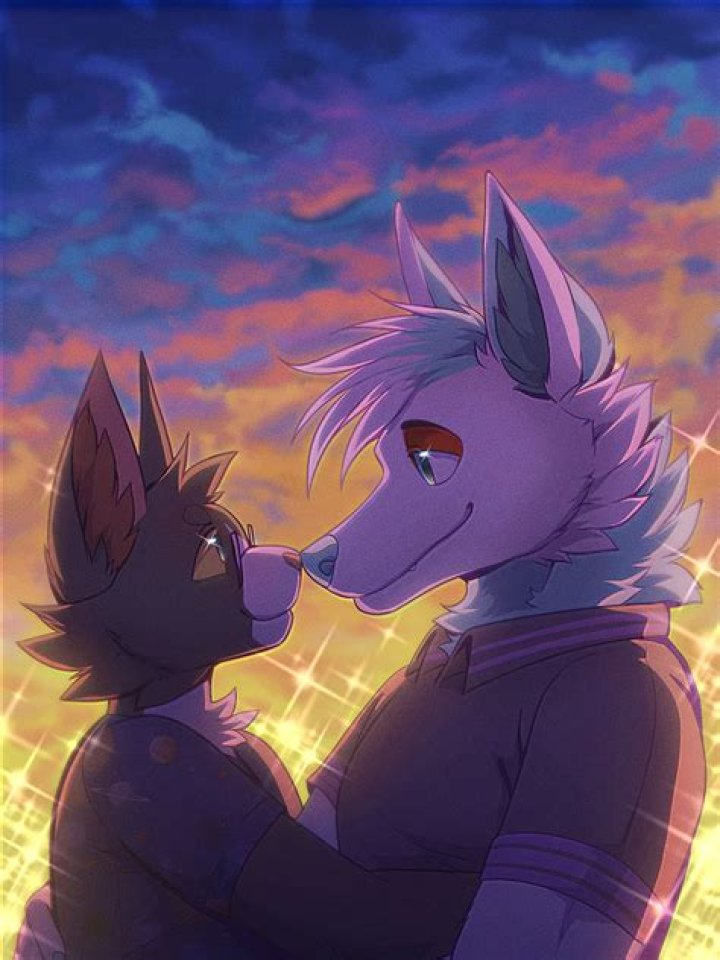
The art within gay furry yiff is incredibly diverse, ranging from simple sketches to highly detailed, photorealistic digital paintings. Common species include wolves, foxes, dragons, and big cats, though virtually any animal can be anthropomorphized. The art often emphasizes exaggerated physical features, such as muscular builds, large paws, and expressive tails. The style is frequently influenced by anime and Western comic book aesthetics, but there is no single "correct" way to draw it.
Thematically, the content often explores power dynamics, romance, and fantasy scenarios. Some works are purely erotic, while others incorporate narrative elements, building worlds and characters that engage the viewer on an emotional level. A significant portion of gay furry yiff is created by and for gay, bisexual, and queer men, serving as a form of representation that is often lacking in mainstream adult media. The characters are not just stand-ins for humans; they often embody specific personality traits or archetypes associated with their animal species, adding a layer of symbolic meaning to the interactions.
The Community and Social Dynamics
The community surrounding gay furry yiff is more than just a collection of artists and viewers. It is a social network with its own etiquette, norms, and hierarchies. Artists often take commissions, creating custom artwork for individual clients. This is a significant economic activity within the fandom, with some artists earning a substantial income. The relationship between commissioner and artist is built on trust and clear communication, often involving detailed character descriptions and specific scene requests.
Online forums, Discord servers, and Telegram groups dedicated to gay furry yiff provide spaces for discussion, feedback, and socializing. These communities can be incredibly supportive, offering a sense of belonging for individuals who may feel marginalized in other areas of their lives. However, they are not without their challenges. Issues such as drama over art theft, disagreements about content boundaries, and the occasional presence of bad actors are common. Moderation is a constant struggle, as communities try to balance free expression with the need to maintain a safe and welcoming environment.
Fursonas and Identity
A key concept in the furry fandom is the "fursona"—a personalized anthropomorphic character that represents the individual. For many involved in gay furry yiff, their fursona is an extension of their own identity, often reflecting their ideal self or exploring aspects of their personality they do not express publicly. The fursona can be a powerful tool for self-discovery and expression, particularly for LGBTQ+ individuals. The act of creating and sharing art featuring one's fursona in intimate scenarios can be a form of validation and exploration of one's sexuality.
Controversies and Misconceptions
Gay furry yiff, like the furry fandom itself, is frequently misunderstood and stigmatized. One of the most persistent misconceptions is that all furries are sexually deviant or that the fandom is primarily about sex. This is simply not true. While adult content exists, it is a niche within a much larger hobby. The media often sensationalizes the sexual aspects of the fandom, ignoring the vast majority of furries who are interested in art, costume-making, and community for non-sexual reasons.
Another controversy involves the depiction of underage characters, known as "cub" content. This is universally condemned within the furry community and is strictly prohibited on major art platforms. The vast majority of artists and community members actively police against it. The presence of this taboo subject, however, is often used by critics to paint the entire fandom with a broad brush. It is important to distinguish between the mainstream, rule-abiding community and the fringe elements that violate its norms.
Legal and Platform Considerations
Major art platforms like FurAffinity, DeviantArt, and Twitter have specific policies regarding adult content. Gay furry yiff is generally allowed on these platforms as long as it is properly tagged and does not depict illegal activities. However, changes in platform policies, particularly regarding "not safe for work" (NSFW) content, can have a significant impact on the community. The rise of subscription-based platforms like Patreon and SubscribeStar has allowed many artists to monetize their work more directly, reducing their reliance on ad-supported sites that may be more restrictive.
Comparison: Gay Furry Yiff vs. Other Adult Furry Content
To better understand the specific niche of gay furry yiff, it is helpful to compare it to other forms of adult furry content. The following table outlines key differences:
| Category | Focus | Primary Audience | Common Themes |
|---|---|---|---|
| Gay Furry Yiff | Male same-sex relationships and sexual activity | Gay, bisexual, and queer men | Romance, power dynamics, fantasy, identity exploration |
| Lesbian Furry Yiff | Female same-sex relationships and sexual activity | Lesbian, bisexual, and queer women | Romance, intimacy, fantasy |
| Straight Furry Yiff | Male-female relationships and sexual activity | Heterosexual men and women | Traditional erotic themes, power dynamics |
| General Furry Art (SFW) | Anthropomorphic characters in non-sexual contexts | All furries | Adventure, friendship, character design, storytelling |
This comparison highlights that gay furry yiff is not a monolithic category but a specific genre with its own audience and conventions. The distinction is important for understanding the diversity of interests within the fandom.
The Economic Impact of Gay Furry Yiff
The creation and consumption of gay furry yiff is a significant economic driver within the furry fandom. Artists charge for commissions, which can range from $20 for a simple sketch to several hundred dollars for a complex, full-color illustration. Some artists earn a full-time income from their work, supported by a dedicated fanbase. This economic activity supports not only the artists themselves but also related services, such as character design, writing, and even fursuit making (though fursuits are rarely used for yiff due to practical and hygiene concerns).
The market is driven by a combination of passion and demand. Commissioners are often deeply invested in their fursonas and the stories they want to tell. They are willing to pay for high-quality art that meets their specific vision. This creates a unique dynamic where the consumer is an active participant in the creative process, rather than a passive viewer. The economic model is a form of patronage, reminiscent of historical systems where wealthy individuals commissioned works of art.
Frequently Asked Questions About Gay Furry Yiff
Is gay furry yiff the same as bestiality?
No. Bestiality involves sexual acts with real, non-human animals. Gay furry yiff involves anthropomorphic characters—fictional beings that are a blend of human and animal traits. These characters are capable of consent, communication, and complex emotions, making them fundamentally different from real animals.
Why do people create and consume gay furry yiff?
Reasons vary widely. For many, it is a form of sexual expression and fantasy. For others, it is a way to explore their identity, particularly their sexuality, through a safe and creative medium. The art often provides representation for LGBTQ+ individuals that is not available in mainstream adult content.
Is it legal to create and share gay furry yiff?
In most countries, yes, as long as it does not depict illegal activities, such as sexual acts involving minors or real violence. It is considered a form of adult art and is protected under free speech laws in many jurisdictions. However, platforms may have their own policies regarding its display.
How do I find gay furry yiff art?
Dedicated art platforms like FurAffinity, Inkbunny, and SoFurry are primary sources. These sites have robust tagging systems that allow users to filter for specific content, including "gay," "male," and "yiff." Social media platforms like Twitter and Tumblr also host a significant amount of this content, though it is often subject to stricter moderation.
Is the furry fandom only about sex?
Absolutely not. The furry fandom is a diverse community with many interests, including art, costume-making, writing, and socializing. While adult content exists, it is a niche within a much larger and more varied hobby. Many furries are not interested in yiff at all.
The Future of Gay Furry Yiff
The landscape of gay furry yiff is constantly evolving. Advances in digital art tools, such as AI image generators, are creating new possibilities and new controversies. Some artists worry about their work being used to train AI models without consent, while others see AI as a tool for inspiration or for creating reference images. The community is grappling with these technological changes, trying to find a balance between innovation and protecting the rights of human creators.
Furthermore, the increasing mainstream acceptance of LGBTQ+ identities may shift the role of gay furry yiff. As representation in mainstream media improves, the need for niche, community-driven content may change. However, the unique appeal of anthropomorphic characters and the deep personal connection many feel to their fursonas suggests that this subculture will continue to thrive, adapting to new platforms and technologies while retaining its core identity as a space for creative and sexual expression.
Ultimately, gay furry yiff is a complex phenomenon that defies simple judgment. It is an art form, a social outlet, an economic engine, and a means of personal exploration. Understanding it requires looking beyond the surface-level shock value and recognizing the human motivations—the desire for connection, representation, and creative freedom—that drive it. Like any subculture, it has its flaws and its virtues, but it remains a fascinating and enduring part of the digital landscape.